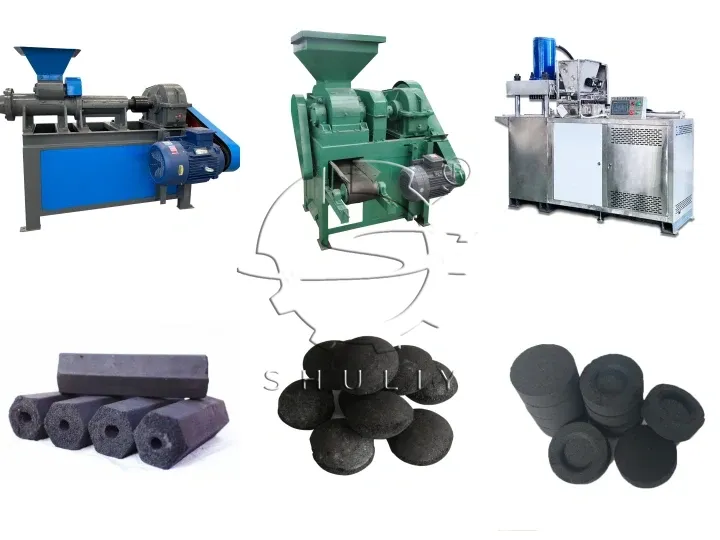
A charcoal carbonization furnace can process various types of biomass, converting them into charcoal through controlled heating in a low-oxygen environment. However, not every biomass material is equally suitable for carbonization. The material’s moisture content, size, density, and composition can all affect the carbonization process and the quality of the final charcoal.
For businesses looking to turn agricultural or forestry waste into charcoal, choosing the right raw material is an important first step.
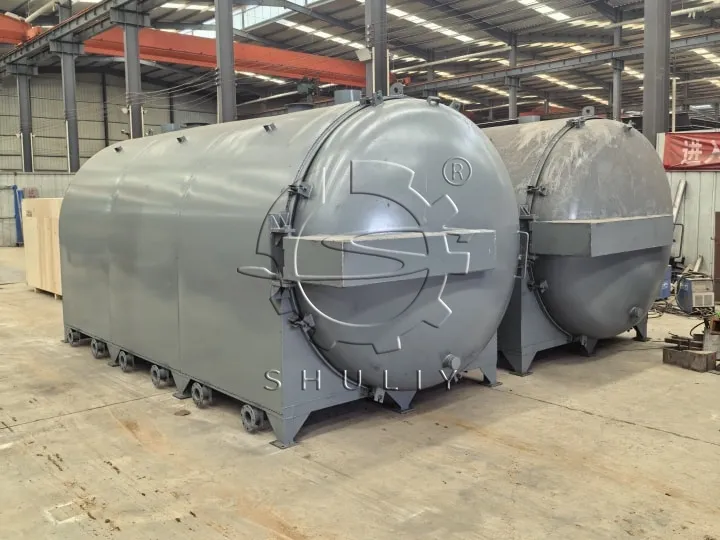
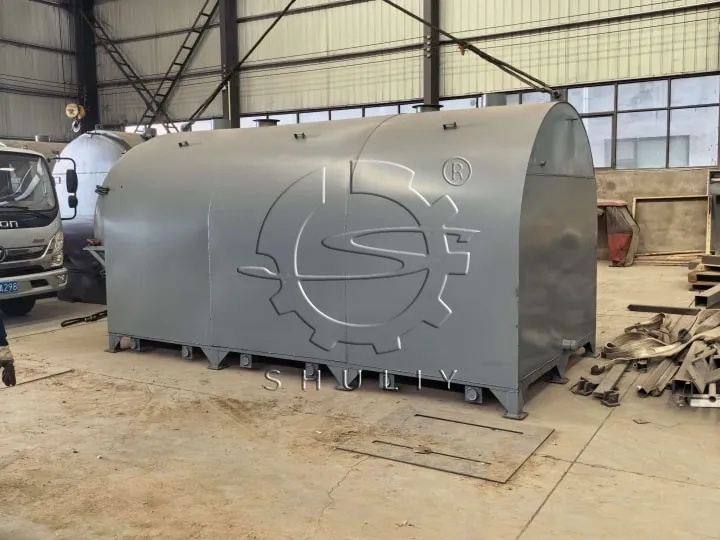
Common biomass materials for carbonization furnaces
Wood and forestry waste
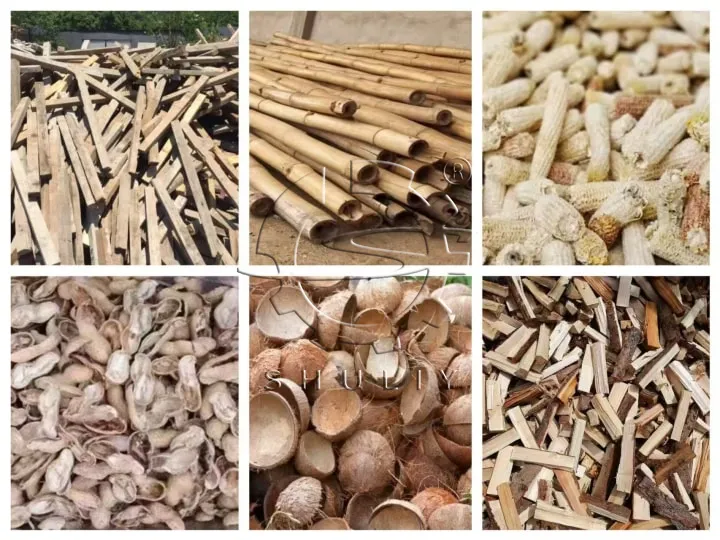
Wood is one of the most traditional materials for charcoal production. Small logs, branches, wood chips, and other forestry residues can be carbonized to produce charcoal.
Common materials include:
- Branches and small wood pieces
- Wood chips
- Sawdust
- Forestry residues
- Wood processing waste
Different wood materials can produce charcoal with different densities and burning characteristics. Larger pieces may require a longer carbonization time, while smaller materials generally heat more quickly.
Sawdust and wood processing waste
Sawdust is particularly suitable for businesses that already have wood-processing waste available. Instead of discarding the material, it can be collected and processed into charcoal.
Because sawdust consists of relatively small particles, heat can reach the material more easily than with large pieces of wood. However, very fine or loose materials may require suitable feeding and handling methods to maintain stable operation.
Coconut shells
Coconut shells are another widely used biomass material for charcoal carbonization furnaces. After coconuts are processed, the shells can be collected and carbonized rather than treated as waste.
Coconut shell charcoal is commonly used as a raw material for products such as activated carbon and charcoal briquettes. The relatively hard structure of coconut shells also makes them different from soft agricultural residues during carbonization.
Rice husk
Rice husk is an agricultural by-product generated in large quantities in rice-processing areas. It can also be used as a carbonization material.
Compared with wood, rice husk has a higher ash content because of its mineral components, particularly silica. Therefore, the characteristics of rice husk charcoal can differ significantly from wood charcoal.
Peanut shells and other crop residues
Agricultural processing creates many types of biomass waste that can potentially be carbonized, including:
- Peanut shells
- Corn cobs
- Cotton stalks
- Sugarcane residues
- Fruit shells
- Other dry crop residues
The suitability of each material depends on its physical properties and moisture content. Materials with different densities and structures may require different carbonization conditions.
Why does moisture content matter?
The raw material does not simply go directly from biomass to charcoal. Before effective carbonization takes place, part of the heat is used to remove moisture from the material.
If biomass contains excessive moisture, more energy is consumed during drying, and the carbonization process can become less efficient. Wet materials may also make it more difficult to achieve consistent carbonization.
Therefore, biomass is typically dried to an appropriate moisture level before entering the carbonization furnace.
Does biomass size affect carbonization?
Yes. The size of the raw material affects how heat moves through the biomass.
Large logs or thick pieces take longer to heat from the outside toward the center. Smaller wood chips, sawdust, shells, and similar materials can heat more quickly, but extremely fine materials may require additional consideration during feeding.
A suitable particle or piece size helps the material heat more evenly and makes the carbonization process easier to control.
Turning biomass waste into useful products
A charcoal carbonization furnace provides a way to process many forms of agricultural and forestry waste that would otherwise have limited value. Wood residues, sawdust, coconut shells, rice husks, bamboo, peanut shells, and other biomass materials can be considered potential carbonization feedstocks.
If you are planning to launch a charcoal project, please feel free to contact us. We will provide you with customized solutions and high-quality carbonization furnaces!