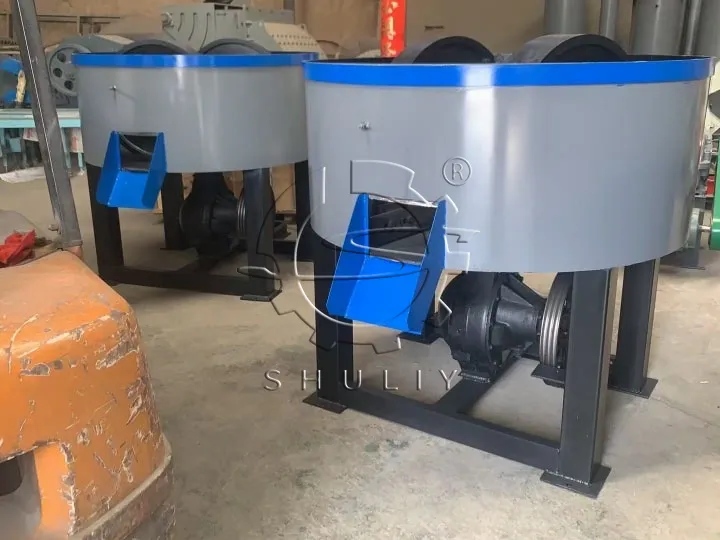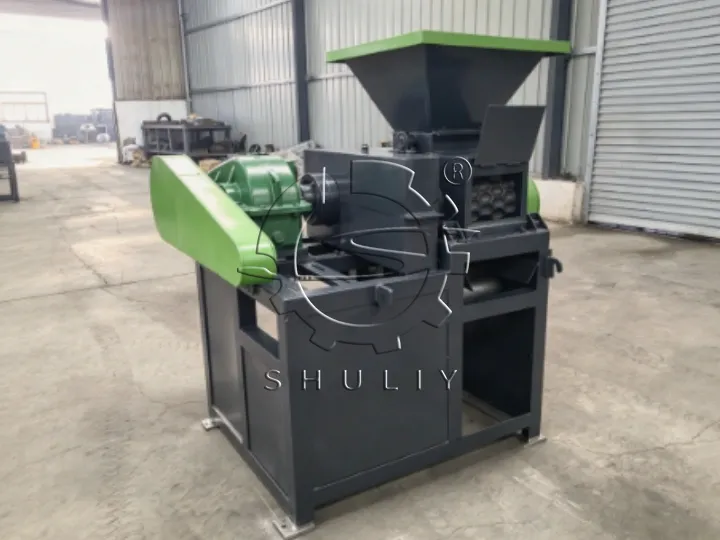
The activated carbon activation furnace and carbonization furnace serve two different purposes in activated carbon production. The carbonization furnace converts suitable raw materials into carbonized material, while the activation furnace further processes this material to develop its pore structure and improve adsorption performance.
Understanding how these two machines work together helps manufacturers choose the right equipment and plan an efficient activated carbon production line.
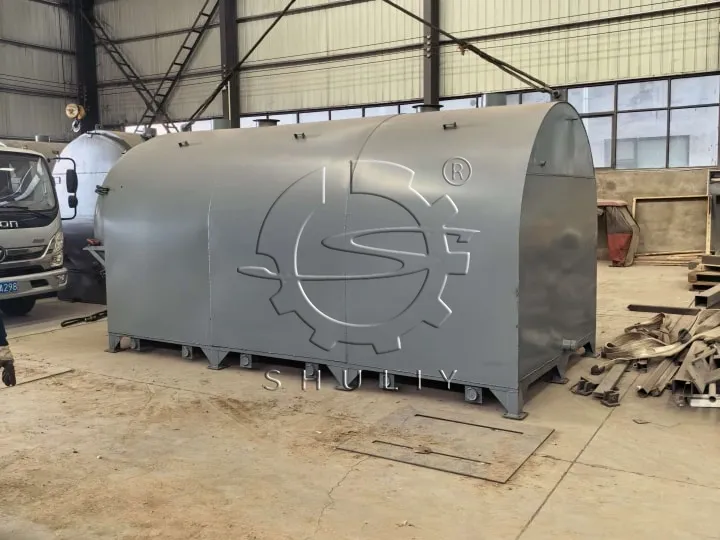
Что такое печь карбонизации?
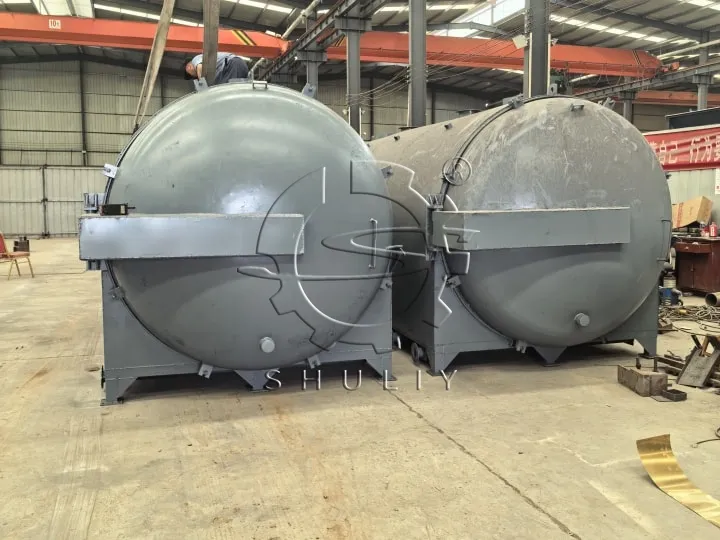
A carbonization furnace converts carbon-rich raw materials, such as wood and coconut shells, into charcoal through heating under oxygen-limited conditions.
During this process, moisture and volatile compounds are released, leaving a carbon-rich solid material. The resulting charcoal can be used as fuel or processed further to produce activated carbon.
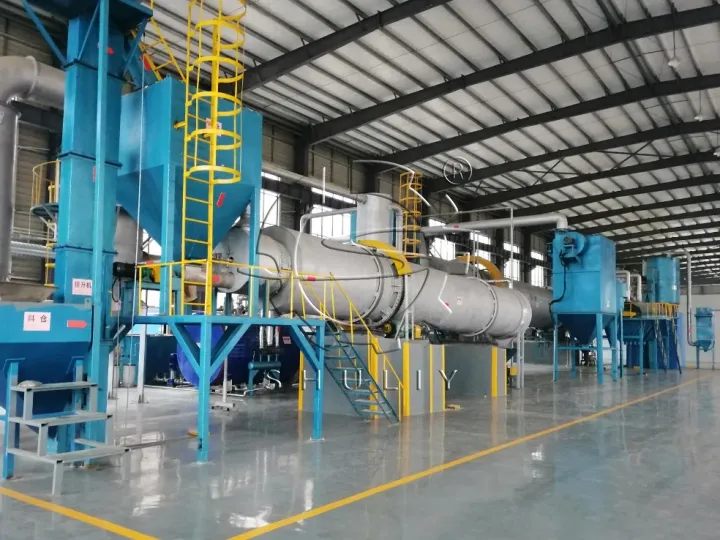
What is an activated carbon activation machine?
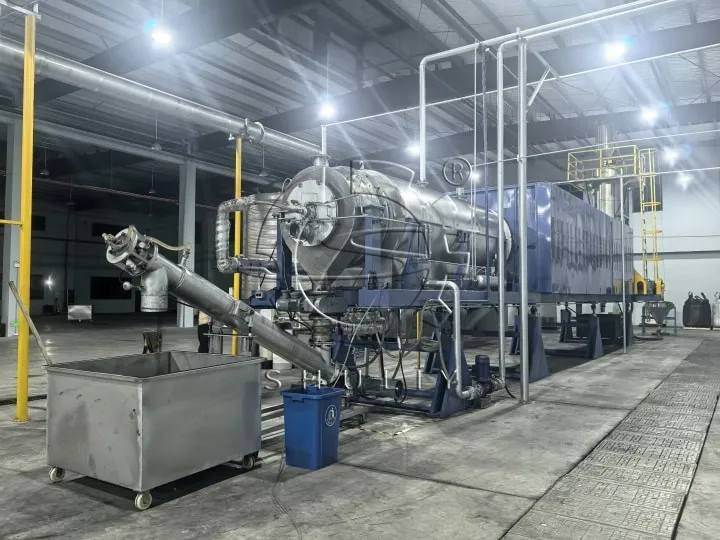
An activated carbon activation furnace processes carbonized material to develop its internal pore structure and improve its adsorption properties.
Physical activation commonly uses steam or carbon dioxide at elevated temperatures. Under controlled conditions, these agents react with the carbon and help form or enlarge pores.
After activation, the material can become activated carbon for applications such as water purification, air filtration, and industrial adsorption.
Carbonization furnace vs carbon activation furnace
| Comparison | Печь карбонизации | Activated carbon activation machine |
|---|---|---|
| Main function | Converts raw materials into carbonized material | Activates carbonized material |
| Typical feedstock | Wood, coconut shells, and other suitable biomass | Charcoal or other suitable carbonaceous material |
| Main process | Thermal decomposition under oxygen-limited conditions | Physical or chemical activation |
| Main output | Charcoal or carbonized material | Activated carbon |
| Main objective | Prepare carbon-rich material | Develop pore structure and adsorption performance |
| Position in production | Usually the first major thermal processing stage | Usually follows carbonization |
The key difference is their processing objective. Carbonization prepares the carbon-rich material, while activation modifies its pore structure to achieve the adsorption properties required for activated carbon.
How do the two furnaces work together?
When producing activated carbon from raw biomass, the process generally follows these steps:
Raw material preparation: Suitable materials, such as coconut shells or wood, are prepared according to the production requirements.
- Carbonization: The carbonization furnace converts the raw materials into carbonized material.
- Activation: The activated carbon activation machine processes the carbonized material.
Not every production line needs both furnaces. Manufacturers who purchase ready-made charcoal or other suitable carbonized material may only need an activation furnace. The equipment configuration depends on the starting material and the intended production process.
Which furnace do you need?
The choice depends on your raw materials and production goals.
- Choose a carbonization furnace if you need to convert biomass into charcoal or carbonized material.
- Choose an activated carbon activation machine if you already have suitable carbonized material and want to process it into activated carbon.
- Consider both furnaces if you plan to produce activated carbon from raw biomass and want to manage both carbonization and activation in your own facility.
Find the right equipment for your production
Selecting the right carbonization furnace and activated carbon activation machine is an important step in activated carbon production.
Shuliy provides equipment solutions for charcoal processing and related production needs. Contact us with your raw material type, target capacity, and final product requirements to discuss a suitable configuration for your project.